

Leave instrument lifting, tipping, disassembly, loading and stair handling to qualified piano movers; provide route photos and dimensions instead. Related information: Console Piano ; Utah Piano Movers
Understanding Your Console Piano
Before diving into the logistics, it’s essential to understand what classifies as a console piano. Typically, a console piano stands about 40-44 inches tall and is known for its upright design, which helps it fit beautifully into most household spaces. Learning about its structure aids you in better handling the instrument during the move. Keep in mind that although it’s not the bulkiest piano, it still requires special care to prevent any damage. With this knowledge in hand, you’re better prepared to manage the task at hand.
Leave instrument lifting, tipping, disassembly, loading and stair handling to qualified piano movers; provide route photos and dimensions instead.
Planning Your Move Efficiently
Any successful operation begins with a robust plan, and moving your console piano is no exception. Prepare a checklist that outlines every step, from preliminary assessments to final placement. Consider evaluating the distance between the current and new location, as well as the route’s challenges. Narrow staircases, sharp corners, and uneven floors should be mapped out to avoid mishaps during the process.
Also, measure your piano and the doors thoroughly to ensure smooth entry and exit. Investing in the right tools and materials, such as moving blankets and piano dollies, is crucial for safeguarding your instrument. This meticulous planning phase will save you headaches down the line and keep your prized piano safe during the entire journey.
Gathering Necessary Equipment
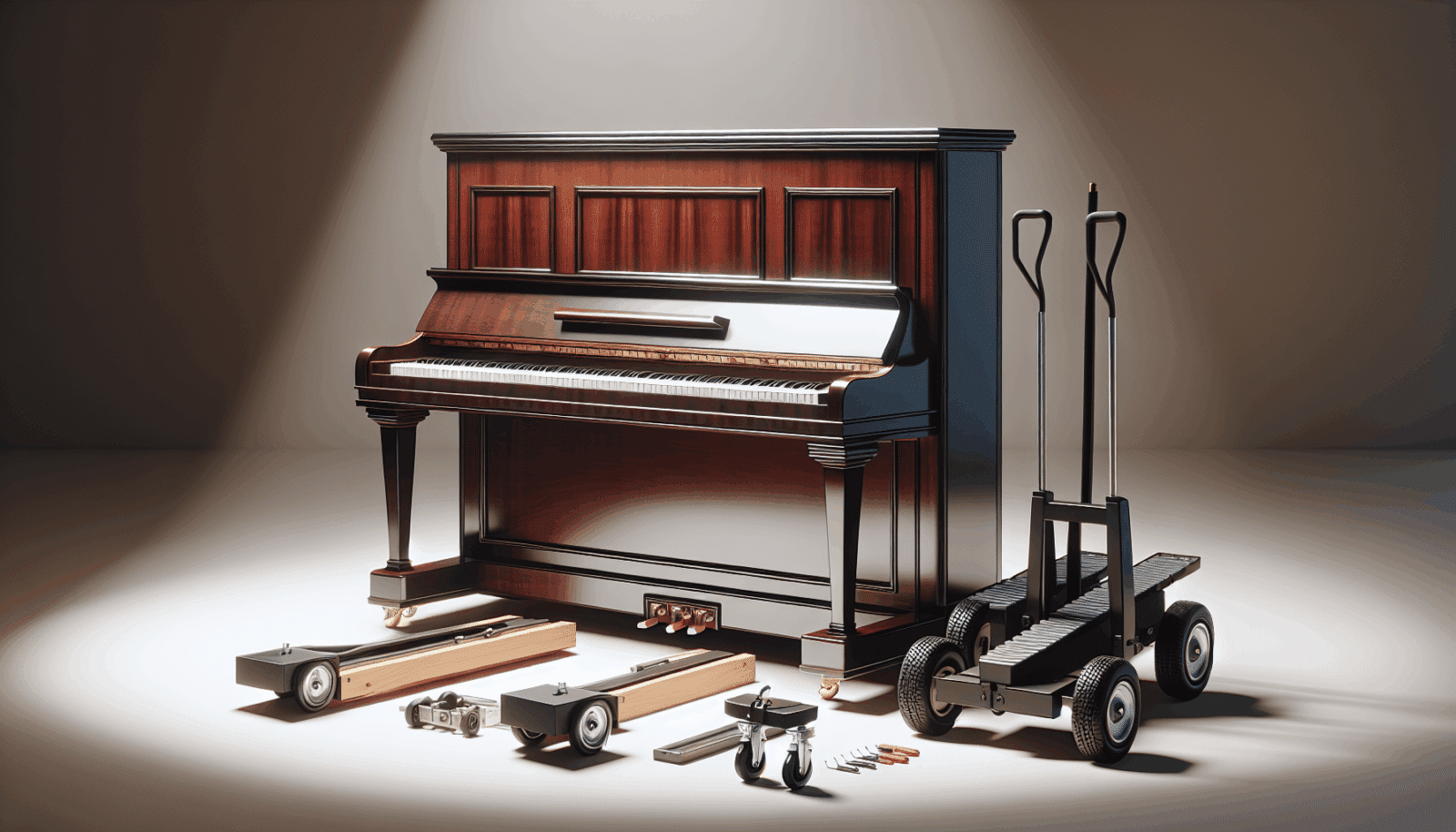
Having the right equipment is paramount when it comes to moving a console piano. You wouldn’t want to realize mid-way that you lack an essential tool. Among the tools required, a piano dolly is indispensable, providing you with the perfect blend of strength and stability. Confirm the proposed mover’s actual capability, protection, timing and written scope for the instrument and route.
Consider purchasing heavy-duty straps and padding materials for an added layer of protection. Additional items like stair rollers can be incredibly helpful if your relocation involves navigating flights of stairs. Equipped with these, your move is already off to a promising start.
Professional disassembly and reassembly considerations
Leave instrument lifting, tipping, disassembly, loading and stair handling to qualified piano movers; provide route photos and dimensions instead.
Remember to take note of how each piece comes apart to ensure easier reassembly later on. Label the removed pieces and carefully pack them using bubble wrap or similarly protective materials. This attention to detail will contribute significantly to a successful move.
Protecting Your Console Piano
Leave instrument lifting, tipping, disassembly, loading and stair handling to qualified piano movers; provide route photos and dimensions instead.
- Leave instrument lifting, tipping, disassembly, loading and stair handling to qualified piano movers; provide route photos and dimensions instead.
- Apply Lightweight Foam Padding: Cover the edges and corners with lightweight foam padding to absorb shocks during movement.
- Leave instrument lifting, tipping, disassembly, loading and stair handling to qualified piano movers; provide route photos and dimensions instead.
- Leave instrument lifting, tipping, disassembly, loading and stair handling to qualified piano movers; provide route photos and dimensions instead.
- Protect the Base with Rubber Grippers: Consider using rubber grippers around the base to prevent unwanted slips while moving the instrument.
Professional lifting and support considerations
Leave instrument lifting, tipping, disassembly, loading and stair handling to qualified piano movers; provide route photos and dimensions instead.
Leave instrument lifting, tipping, disassembly, loading and stair handling to qualified piano movers; provide route photos and dimensions instead.
Securing the Piano on the Dolly
Leave instrument lifting, tipping, disassembly, loading and stair handling to qualified piano movers; provide route photos and dimensions instead. Avoid toppling by applying pressure evenly between the piano and the dolly.
Confirm the proposed mover’s actual capability, protection, timing and written scope for the instrument and route. With your piano firmly settled and balanced on the dolly, you’re set to navigate shorter distances with ease and confidence.
Transporting the Piano Safely
Leave instrument lifting, tipping, disassembly, loading and stair handling to qualified piano movers; provide route photos and dimensions instead.
Cushion any gaps between the piano and the vehicle’s wall with additional padding. During transit, avoid sudden accelerations, sharp turns, and heavy braking to keep the piano stable. Remember, the goal here is to minimize movement and vibrations throughout the journey.
Professional disassembly and reassembly considerations
Leave instrument lifting, tipping, disassembly, loading and stair handling to qualified piano movers; provide route photos and dimensions instead.
Confirm storage, tuning, repair, crating, removal and other specialized work separately; these are not implied by a moving inquiry. With your instrument safely moved and reassembled, you can begin to enjoy its melodious tunes amid your new surroundings.
Conclusion
With these detailed instructions, moving your console piano becomes manageable and less intimidating. Confirm the proposed mover’s actual capability, protection, timing and written scope for the instrument and route. For more seamless service, Contact Us today by phone at 801-396-7323 or Request a Free Quote. Related information: Contact Us ; 801-396-7323 ; Request a Free Quote
Use model-specific guidance
Leave lifting and instrument disassembly to qualified professionals. Exact model information and the real route are more useful than generic weight, price or clearance figures.